In today’s hyper-connected digital world, system integration isn’t just a tech buzzword—it’s a business imperative. From streamlining operations to boosting data accuracy, effective system integration powers smarter decisions and faster growth.


What Is System Integration and Why It Matters
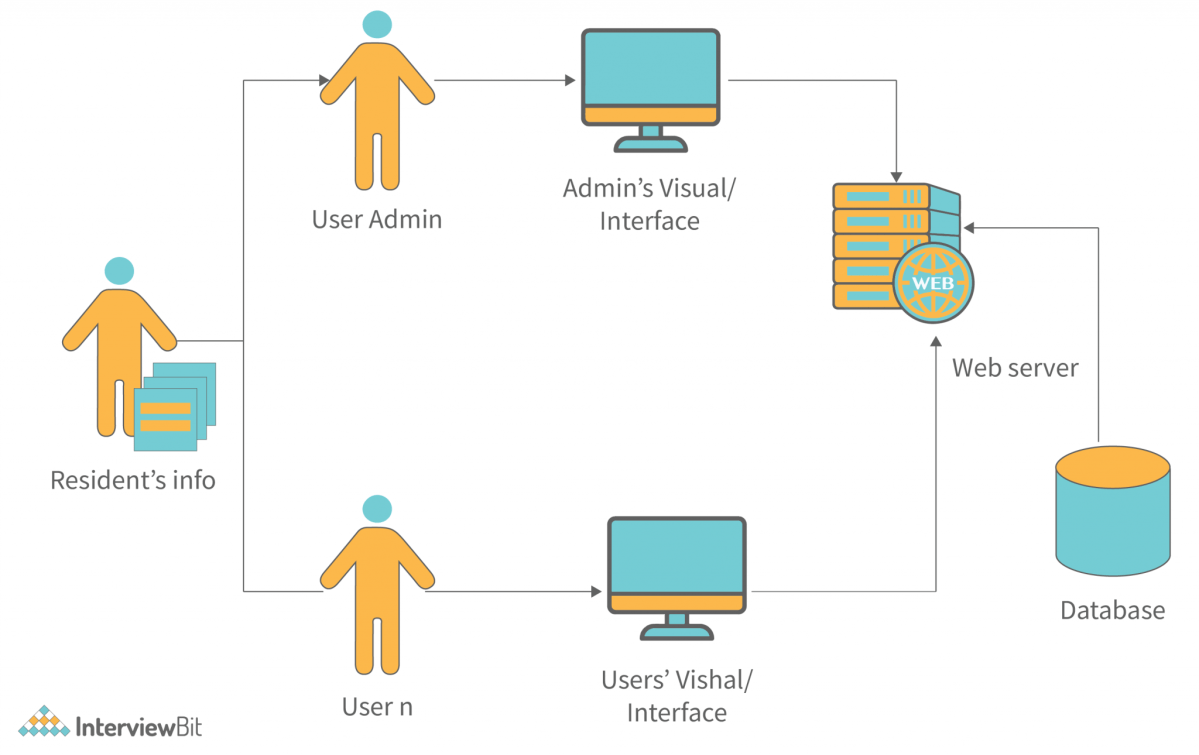
At its core, system integration refers to the process of connecting different computing systems, software applications, and IT infrastructure to function as a coordinated whole. This allows organizations to eliminate data silos, improve operational efficiency, and deliver better customer experiences. As businesses grow and adopt new technologies, the need for seamless communication between systems becomes critical.
Defining System Integration
System integration involves combining various subsystems into one larger system so that the components can function together cohesively. These subsystems may include enterprise resource planning (ERP), customer relationship management (CRM), supply chain management (SCM), human resources (HR) platforms, and more. The goal is to ensure that data flows smoothly across platforms without manual intervention or duplication.
- It enables unified data access across departments.
- It reduces redundancy and errors in data entry.
- It supports real-time information sharing.
According to Gartner, organizations that implement effective system integration strategies report up to 30% higher operational efficiency compared to those relying on disconnected systems.
Types of System Integration
There are several approaches to system integration, each suited to different business needs and technical environments. The most common types include:
Point-to-Point Integration: Direct connections between two systems.While simple, this method becomes complex and hard to maintain as the number of systems grows.Vertical Integration: Also known as the “silos” approach, where systems are grouped by functionality.It’s easier to manage initially but lacks flexibility.Horizontal Integration: Uses a central communication layer (like an Enterprise Service Bus) to connect all systems.
.This is scalable and widely used in enterprise environments.Star Integration: A variation of point-to-point where each system connects to every other system—effective for small setups but costly at scale.Common Data Format Integration: Systems exchange data using a standardized format (e.g., JSON, XML), reducing translation overhead.”Integration is not just about connecting systems—it’s about aligning business processes, data, and people.” — Forrester ResearchThe Evolution of System Integration Over TimeSystem integration has evolved significantly over the decades, shaped by advances in computing, networking, and software architecture.What began as basic hardware linking in the 1970s has transformed into sophisticated, cloud-based, API-driven ecosystems..
From Mainframes to Middleware
In the early days of computing, businesses relied on mainframe systems that operated in isolation. As organizations adopted departmental systems (like finance or inventory), the need to share data led to the development of middleware—software that acts as a bridge between disparate applications.
Middlewares such as IBM’s CICS and later Microsoft’s COM+ played a crucial role in enabling early forms of system integration. These tools allowed applications to communicate via defined protocols, laying the foundation for modern integration practices.
One pivotal milestone was the introduction of Enterprise Application Integration (EAI) platforms in the late 1990s. EAI tools provided centralized hubs for managing data flow between enterprise applications, making integration more manageable and scalable.
The Rise of APIs and Cloud Integration
The 2000s brought a paradigm shift with the emergence of web services and APIs (Application Programming Interfaces). RESTful APIs and SOAP protocols enabled systems to interact over the internet using standard HTTP methods, making integration more flexible and accessible.
With the rise of cloud computing, system integration moved beyond on-premise data centers. Cloud-based integration platforms like AWS Elastic Beanstalk and Google Cloud APIs made it easier for companies to integrate SaaS applications such as Salesforce, Workday, and Slack.
Today, iPaaS (Integration Platform as a Service) solutions like MuleSoft, Dell Boomi, and Microsoft Azure Logic Apps dominate the landscape. These platforms offer drag-and-drop interfaces, pre-built connectors, and robust security features, empowering both developers and business users to build integrations quickly.
Key Benefits of Effective System Integration
When done right, system integration delivers transformative benefits across an organization. It’s not just a technical upgrade—it’s a strategic enabler of digital transformation.
Improved Operational Efficiency
One of the most immediate impacts of system integration is the automation of workflows. Manual data entry, duplicate records, and error-prone transfers are drastically reduced when systems communicate automatically.
For example, integrating an e-commerce platform with an ERP system ensures that sales orders are instantly synchronized with inventory and accounting modules. This eliminates delays and reduces the risk of overselling or stockouts.
- Automated invoice generation from sales data.
- Real-time inventory updates across sales channels.
- Streamlined procurement and supply chain processes.
A study by McKinsey found that integrated enterprises experience a 25% reduction in process cycle times.
Enhanced Data Accuracy and Decision-Making
Integrated systems provide a single source of truth. When data from sales, marketing, finance, and operations flows into a unified dashboard, leaders can make informed decisions based on accurate, real-time insights.
For instance, a retail company integrating POS systems with CRM and analytics tools can track customer behavior across online and offline channels. This enables personalized marketing, dynamic pricing, and better demand forecasting.
“Data is the new oil, but integration is the refinery.” — Clive Humby
Moreover, integrated data supports advanced analytics and AI-driven predictions. Machine learning models trained on consolidated datasets yield more accurate results than those fed with fragmented information.
Common Challenges in System Integration
Despite its advantages, system integration is not without hurdles. Organizations often face technical, organizational, and financial challenges when attempting to unify their IT ecosystems.
Data Inconsistency and Legacy Systems
One of the biggest obstacles is dealing with legacy systems—older software that may not support modern integration protocols. These systems often store data in proprietary formats or lack APIs altogether.
For example, a manufacturing firm might still rely on a decades-old inventory management system that only exports data via CSV files. Integrating this with a modern cloud-based CRM requires custom scripting or middleware, increasing complexity and cost.
Data inconsistency also arises when different systems use varying definitions for the same field (e.g., “customer ID” vs. “client number”). Without proper data mapping and governance, these discrepancies can lead to reporting errors and operational failures.
Security and Compliance Risks
Connecting systems increases the attack surface for cyber threats. Each integration point becomes a potential vulnerability if not properly secured.
Organizations must ensure that data transfers are encrypted, access is authenticated, and audit trails are maintained. Compliance with regulations like GDPR, HIPAA, or CCPA adds another layer of complexity, especially when integrating systems across international borders.
For example, integrating a U.S.-based HR system with a European payroll provider requires careful handling of personal data to avoid violations. Using secure integration platforms like MuleSoft’s API Manager can help enforce security policies and monitor traffic.
Best Practices for Successful System Integration
To overcome challenges and maximize ROI, organizations should follow proven best practices when planning and executing system integration projects.
Start with a Clear Strategy and Roadmap
Before writing a single line of code, define your integration goals. Are you aiming to improve customer experience? Reduce operational costs? Enable digital transformation?
Develop a comprehensive roadmap that includes:
- Inventory of existing systems and data flows.
- Identification of integration priorities (e.g., CRM-ERP first, then SCM).
- Selection of integration architecture (point-to-point, ESB, iPaaS).
- Timeline, budget, and resource allocation.
A well-documented strategy ensures alignment across IT, business units, and leadership.
Choose the Right Integration Tools
The choice of integration platform can make or break a project. Evaluate options based on scalability, ease of use, security features, and support for your existing tech stack.
iPaaS solutions are ideal for cloud-heavy environments, while ESBs are better suited for large enterprises with complex on-premise systems. Open-source tools like Apache Camel offer flexibility but require more technical expertise.
Consider platforms that offer:
- Pre-built connectors for popular applications.
- Monitoring and logging capabilities.
- Support for real-time and batch integration.
- Strong community or vendor support.
The Role of APIs in Modern System Integration
APIs have become the backbone of modern system integration. They act as standardized interfaces that allow different software components to communicate securely and efficiently.
How APIs Enable Seamless Connectivity
An API defines the methods and data formats that applications can use to request and exchange information. For example, a mobile banking app uses APIs to retrieve account balances from a core banking system or initiate a money transfer.
REST APIs, in particular, have gained popularity due to their simplicity, statelessness, and compatibility with web standards. They use HTTP methods (GET, POST, PUT, DELETE) and return data in JSON format, making them easy to consume by web and mobile applications.
Organizations are increasingly adopting API-first design, where APIs are developed before the user interface. This ensures that backend systems are built with integration in mind from the start.
Managing API Lifecycle and Governance
As the number of APIs grows, so does the need for governance. Without proper management, organizations risk creating “API sprawl”—a chaotic web of undocumented, unsecured, or redundant APIs.
Effective API governance includes:
- Version control to ensure backward compatibility.
- Authentication and authorization (e.g., OAuth 2.0).
- Rate limiting to prevent abuse.
- Documentation and developer portals.
- Monitoring and analytics to track usage and performance.
Tools like Postman and Amazon API Gateway help teams design, test, and manage APIs throughout their lifecycle.
Future Trends Shaping System Integration
The landscape of system integration is continuously evolving, driven by emerging technologies and changing business demands. Staying ahead of these trends is crucial for long-term success.
AI and Machine Learning in Integration
Artificial intelligence is beginning to play a role in automating integration tasks. AI-powered tools can analyze data patterns, suggest optimal mappings, and even detect anomalies in data flows.
For example, AI can be used to automatically classify and route incoming data from multiple sources, reducing the need for manual configuration. Machine learning models can also predict integration failures based on historical performance data, enabling proactive maintenance.
Platforms like IBM App Connect and Microsoft Power Automate are already incorporating AI features to enhance integration workflows.
Edge Integration and IoT
With the proliferation of Internet of Things (IoT) devices, integration is moving beyond the data center to the network edge. Edge integration involves processing and synchronizing data from sensors, machines, and remote devices in real time.
This is particularly important in industries like manufacturing, healthcare, and logistics, where latency-sensitive applications require immediate responses. For instance, a smart factory might integrate sensor data from production lines with ERP systems to optimize maintenance schedules and reduce downtime.
Edge integration platforms like AWS IoT Greengrass and Azure IoT Edge enable local processing and secure communication with cloud systems, ensuring scalability and reliability.
Real-World Examples of Successful System Integration
Many leading companies have leveraged system integration to gain competitive advantages. These case studies illustrate the tangible impact of well-executed integration strategies.
Retail: Omnichannel Integration at Nike
Nike transformed its customer experience by integrating its e-commerce platform, mobile app, in-store systems, and supply chain. This allowed customers to buy online and return in-store, check real-time inventory, and receive personalized recommendations.
The integration was powered by a cloud-based middleware layer that synchronized data across Salesforce Commerce Cloud, SAP ERP, and Nike’s internal logistics systems. As a result, Nike reported a 30% increase in digital sales within two years.
Healthcare: Interoperability in Mayo Clinic
The Mayo Clinic implemented a comprehensive system integration strategy to connect electronic health records (EHR), lab systems, and patient portals. Using HL7 and FHIR standards, they achieved seamless data exchange between departments and external providers.
This integration improved patient care coordination, reduced duplicate testing, and enhanced clinical decision support. It also enabled telemedicine services to access real-time patient data securely.
Finance: Core Banking Integration at DBS Bank
DBS Bank, one of Asia’s largest financial institutions, underwent a massive digital transformation by integrating its legacy core banking systems with modern cloud platforms. They used an API-led approach to expose banking services to mobile apps, partner fintechs, and third-party developers.
The integration reduced transaction processing time by 70% and enabled rapid deployment of new digital services. DBS was recognized as the “World’s Best Digital Bank” by Euromoney in 2020.
What is system integration?
System integration is the process of connecting different IT systems, software applications, and devices so they can work together as a unified whole. It enables seamless data exchange, automates workflows, and improves operational efficiency across an organization.
Why is system integration important?
System integration is crucial because it eliminates data silos, reduces manual work, enhances data accuracy, and supports real-time decision-making. It’s a key enabler of digital transformation and business agility in today’s fast-paced environment.
What are the main types of system integration?
The main types include point-to-point, vertical, horizontal, star, and common data format integration. Each has its own advantages and use cases, with horizontal integration using an Enterprise Service Bus (ESB) being the most scalable for large enterprises.
What tools are used for system integration?
Popular tools include iPaaS platforms like MuleSoft, Dell Boomi, and Microsoft Azure Logic Apps; ESBs like Apache ServiceMix; and API management tools like Postman and AWS API Gateway. The choice depends on the organization’s size, architecture, and integration needs.
How do APIs support system integration?
APIs act as standardized interfaces that allow different systems to communicate securely and efficiently. They enable real-time data exchange, support microservices architecture, and facilitate integration between cloud and on-premise applications.
System integration is no longer optional—it’s a strategic necessity for organizations aiming to thrive in the digital age. From improving efficiency and data accuracy to enabling innovation through APIs and AI, integration powers the connected enterprise. While challenges like legacy systems and security risks exist, following best practices and leveraging modern tools can lead to transformative outcomes. As technology continues to evolve, staying ahead in system integration will be key to long-term competitiveness and growth.
Further Reading: