Ever wondered how complex software or business processes are designed to work seamlessly? It all starts with system analysis—a crucial phase that shapes the foundation of any successful project. In this guide, we’ll break down everything you need to know about system analysis in a clear, engaging, and practical way.


What Is System Analysis and Why It Matters

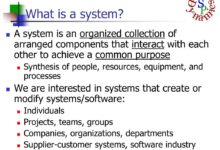
System analysis is the process of studying a system or its components to identify its objectives, functions, and requirements. It’s a foundational step in systems development, used across industries like IT, engineering, healthcare, and finance to ensure that solutions meet real-world needs.
Defining System Analysis
At its core, system analysis involves examining how data flows, how processes interact, and how users engage with a system. According to the IEEE Computer Society, it’s about understanding the ‘what’ before jumping into the ‘how’ of system design.
- It evaluates existing systems for inefficiencies.
- It identifies gaps between current and desired performance.
- It sets the stage for system design and implementation.
“System analysis is not just technical—it’s strategic. It bridges business goals with technological solutions.” — Dr. Linda Rising, Software Engineering Expert
The Role of a System Analyst
A system analyst acts as a translator between business stakeholders and technical teams. They gather requirements, model processes, and recommend solutions that align with organizational goals.
- They conduct interviews, surveys, and observations.
- They create documentation such as requirement specifications.
- They often use tools like UML (Unified Modeling Language) or BPMN (Business Process Model and Notation).
For more on the analyst’s toolkit, check out the UML Diagrams resource site.
The 7 Key Phases of System Analysis
System analysis isn’t a one-step task—it’s a structured process. Following a clear methodology ensures thoroughness and reduces the risk of costly errors down the line. Here are the seven essential phases:
1. Preliminary Investigation
This initial phase determines whether a problem or opportunity is worth pursuing. It involves identifying the scope, stakeholders, and feasibility of a potential system.
- Define the problem clearly.
- Assess the urgency and impact.
- Conduct a quick cost-benefit analysis.
For example, a retail company noticing declining sales might initiate a system analysis to explore whether their inventory management system is outdated.
2. Problem Analysis and Definition
Once a project is greenlit, the next step is to dive deeper into the root causes of the issue. This phase focuses on understanding the ‘why’ behind the problem.
- Use techniques like root cause analysis (RCA).
- Map current workflows to identify bottlenecks.
- Engage end-users to gather qualitative feedback.
Tools like fishbone diagrams or the 5 Whys method are often used here. The American Society for Quality provides excellent templates for these techniques.
3. Requirements Gathering
This is arguably the most critical phase in system analysis. Requirements define what the system must do—both functionally and non-functionally.
- Functional requirements: What the system should do (e.g., generate reports, process orders).
- Non-functional requirements: How well it should do it (e.g., speed, security, scalability).
- Stakeholder interviews, questionnaires, and workshops are common methods.
Poorly defined requirements are a leading cause of project failure. A study by the Standish Group found that 44% of failed IT projects cite incomplete requirements as a primary reason.
4. Feasibility Study
Before moving forward, it’s essential to assess whether the proposed system is viable. This involves evaluating technical, economic, operational, and legal feasibility.
- Technical: Do we have the technology and expertise?
- Economic: Will the benefits outweigh the costs?
- Operational: Will users adopt it?
- Legal: Does it comply with regulations like GDPR or HIPAA?
A feasibility report helps decision-makers determine whether to proceed, modify, or abandon the project.
5. System Modeling and Design
With requirements in hand, analysts begin creating models to visualize the system. These models serve as blueprints for developers.
- Data Flow Diagrams (DFDs) show how data moves through the system.
- Entity-Relationship Diagrams (ERDs) map data structures.
- Use Case Diagrams illustrate user interactions.
For instance, a DFD for an online banking system would show how a user’s login request travels from the interface to the authentication server and back.
6. Evaluation of Alternatives
There’s rarely one way to solve a problem. This phase involves comparing different system designs or technologies to choose the best fit.
- Compare custom-built vs. off-the-shelf software.
- Analyze cloud vs. on-premise deployment.
- Use decision matrices to score options based on criteria like cost, scalability, and maintenance.
This step ensures that the final solution is not just functional but also optimal.
7. Final Proposal and Presentation
The culmination of system analysis is a comprehensive report and presentation to stakeholders. This document outlines the problem, findings, proposed solution, costs, and expected benefits.
- Include visual models and mockups.
- Highlight risks and mitigation strategies.
- Provide a clear implementation roadmap.
A well-crafted proposal increases the chances of approval and sets clear expectations for the development phase.
Types of System Analysis: Choosing the Right Approach
Not all system analysis is the same. The approach depends on the nature of the system, the industry, and the goals of the project. Here are the most common types:
Business System Analysis
This type focuses on improving business processes rather than just technology. It’s commonly used in organizational change, ERP implementations, and digital transformation.
- Goal: Increase efficiency, reduce costs, improve customer service.
- Tools: SWOT analysis, process mapping, value stream mapping.
- Example: Analyzing a supply chain to reduce delivery times.
For more on business process improvement, visit iSixSigma.
Technical System Analysis
This is more IT-focused, dealing with software architecture, network design, and system integration. It’s essential in software development and infrastructure projects.
- Goal: Ensure system reliability, performance, and security.
- Tools: UML, API documentation, system specifications.
- Example: Analyzing server load before launching a new app.
Technical analysts often work closely with developers and DevOps teams.
Strategic System Analysis
This high-level analysis looks at how systems support long-term business strategy. It’s often conducted by senior analysts or consultants.
- Goal: Align IT investments with business vision.
- Tools: PESTEL analysis, IT portfolio management.
- Example: Evaluating whether AI adoption aligns with a company’s innovation goals.
It’s less about coding and more about foresight and planning.
Tools and Techniques Used in System Analysis
Modern system analysis relies on a mix of traditional methods and cutting-edge tools. Choosing the right ones can dramatically improve accuracy and efficiency.
Data Flow Diagrams (DFDs)
DFDs are visual representations of how data moves through a system. They help analysts and stakeholders understand the flow of information.
- Level 0 (Context Diagram): Shows the system as a whole.
- Level 1: Breaks down major processes.
- Level 2+: Provides detailed process views.
Tools like Lucidchart or Visual Paradigm make it easy to create professional DFDs.
Unified Modeling Language (UML)
UML is a standardized modeling language used in software engineering. It includes various diagram types like class diagrams, sequence diagrams, and activity diagrams.
- Class Diagrams: Show system structure and relationships.
- Sequence Diagrams: Illustrate how objects interact over time.
- Activity Diagrams: Model workflows and business processes.
UML is widely supported by tools like StarUML and Enterprise Architect. Learn more at uml.org.
Prototyping and Wireframing
Before building a full system, analysts often create prototypes or wireframes to test ideas. These mockups allow stakeholders to visualize the user interface and provide feedback early.
- Low-fidelity: Sketches or basic wireframes.
- High-fidelity: Interactive prototypes with real content.
- Tools: Figma, Adobe XD, Balsamiq.
Prototyping reduces the risk of costly redesigns later in the project.
Challenges in System Analysis and How to Overcome Them
Despite its importance, system analysis is not without challenges. Missteps can lead to project delays, budget overruns, or system failure.
Unclear or Changing Requirements
One of the biggest hurdles is dealing with vague or evolving requirements. Stakeholders may not know what they want until they see it.
- Solution: Use iterative methods like Agile to gather feedback early and often.
- Document every change and get stakeholder sign-off.
- Use prototypes to clarify expectations.
Agile methodologies have proven effective in managing changing requirements. According to the State of Agile Report, 71% of organizations use Agile approaches to improve project flexibility.
Stakeholder Resistance
Even the best system can fail if users resist adopting it. This often happens when users feel excluded from the process.
- Solution: Involve end-users from the beginning.
- Communicate benefits clearly.
- Provide training and support during transition.
Change management frameworks like Kotter’s 8-Step Model can help guide this process.
Data Quality and Integration Issues
Many systems rely on data from multiple sources. Poor data quality or incompatible formats can derail analysis.
- Solution: Conduct a data audit before analysis begins.
- Use ETL (Extract, Transform, Load) tools to clean and integrate data.
- Establish data governance policies.
For more on data integration, explore resources at Talend.
Best Practices for Effective System Analysis
To ensure your system analysis delivers value, follow these proven best practices.
Start with the Business Goal
Always align your analysis with the organization’s strategic objectives. Ask: What problem are we solving, and why does it matter?
- Define success metrics upfront (e.g., reduce processing time by 30%).
- Keep the end-user at the center of your analysis.
- Avoid getting lost in technical details without business context.
Communicate Clearly and Often
Miscommunication is a major cause of project failure. Use simple language, visual aids, and regular updates to keep everyone on the same page.
- Hold weekly status meetings.
- Use collaboration tools like Confluence or Notion.
- Document decisions and action items.
Validate Assumptions Early
Don’t assume you know what users need. Test your assumptions through prototypes, surveys, or pilot programs.
- Run a small-scale test before full rollout.
- Collect feedback and iterate.
- Use A/B testing for interface decisions.
The Future of System Analysis: Trends to Watch
As technology evolves, so does system analysis. New tools and methodologies are shaping the future of the field.
AI and Machine Learning in System Analysis
Artificial intelligence is transforming how analysts gather and interpret data. AI can automate requirement extraction from documents, predict system performance, and even suggest design improvements.
- Natural Language Processing (NLP) can analyze user feedback at scale.
- Predictive analytics help forecast system behavior under load.
- AI-powered tools like IBM Watson can assist in decision-making.
For insights into AI in business analysis, visit IBM Analytics.
Integration with DevOps and CI/CD
System analysis is no longer a one-time phase. In modern DevOps environments, it’s continuous. Analysts work alongside developers in CI/CD pipelines to ensure requirements are met in real time.
- Automated testing validates system behavior.
- Feedback loops enable rapid iteration.
- Infrastructure as Code (IaC) allows for consistent system modeling.
Rise of Low-Code and No-Code Platforms
These platforms allow non-technical users to build systems, but they still require solid analysis. Analysts now play a role in guiding citizen developers and ensuring governance.
- Focus shifts from coding to logic and process design.
- Analysts become enablers and validators.
- Tools like Microsoft Power Apps and OutSystems are gaining traction.
Real-World Examples of System Analysis Success
Theory is great, but real-world examples show the true power of system analysis.
Healthcare: Improving Patient Flow in Hospitals
A large hospital was facing long wait times in its emergency department. A system analysis revealed bottlenecks in patient registration and triage.
- Solution: Implemented a digital check-in system with automated triage.
- Result: Reduced average wait time by 40%.
- Key: Involving nurses and doctors in the analysis phase.
Retail: Optimizing Inventory Management
A retail chain struggled with overstocking and stockouts. A system analysis of their supply chain identified poor demand forecasting and delayed data syncing.
- Solution: Integrated real-time sales data with inventory software.
- Result: Reduced inventory costs by 25% and improved product availability.
- Key: Using predictive analytics to forecast demand.
Banking: Enhancing Cybersecurity
A bank faced increasing cyber threats. A system analysis of their security infrastructure uncovered weak authentication protocols and outdated firewalls.
- Solution: Implemented multi-factor authentication and AI-driven threat detection.
- Result: Reduced security incidents by 60%.
- Key: Conducting regular risk assessments and penetration testing.
What is the main goal of system analysis?
The main goal of system analysis is to understand the requirements of a system, identify problems or opportunities for improvement, and propose effective solutions that align with business objectives.
What skills does a system analyst need?
A system analyst needs strong analytical thinking, communication skills, problem-solving abilities, knowledge of modeling tools (like UML or DFD), and an understanding of both business processes and technology.
How does system analysis differ from system design?
System analysis focuses on understanding ‘what’ the system should do by gathering and analyzing requirements. System design, on the other hand, focuses on ‘how’ to build it, including architecture, interfaces, and technical specifications.
Is system analysis only used in IT?
No, while it’s widely used in IT, system analysis is also applied in business management, healthcare, manufacturing, and government to improve processes and decision-making.
What are common tools used in system analysis?
Common tools include Lucidchart for diagrams, JIRA for requirement tracking, Figma for prototyping, and UML modeling tools like StarUML. Data analysis tools like Excel, SQL, and Tableau are also frequently used.
System analysis is more than just a technical exercise—it’s a strategic discipline that drives innovation, efficiency, and success across industries. From defining problems to proposing solutions, the process demands clarity, collaboration, and critical thinking. By following structured phases, leveraging the right tools, and staying ahead of trends like AI and DevOps, analysts can deliver systems that truly meet user needs. Whether you’re a beginner or a seasoned professional, mastering system analysis is key to building solutions that work—not just in theory, but in practice.
Further Reading: